

Restoring the Caledonian Forest in Scotland
This project is the opportunity to fund the growing & planting of native trees across the Highlands in Scotland
Any trees planted would build on the 6,500 already funded by CAP-clients in 2025-6, and would be part of the monumental effort to steadily restore the Caledonian Forest. They would also provide habitat for iconic species such as the red squirrel & beaver. A WIN-WIN.

HISTORY OF THE FOREST
Scotland's Great Caledonian Forest once covered an area of 15,000km2 and was characterised by Scots pine trees, herds of grazing animals and predators like lynx and wolf. Wetter conditions & tree felling on a massive scale for fire wood, building and to make way for farming meant that by the 1950s only 1% of the original forest remained.

BRINGING THE FOREST BACK
The realisation that the great forest that once covered the Highlands was almost gone, encouraged many to take action, including our planting partners at Trees for Life. For over 30 years they have been working to bring the struggling Scots pine, aspen, mountain top willows and birches back to the Highlands.
Photo © Trees for Life

RETURNING RED SQUIRRELS
Trees for Life understood that the forest was more than just trees, and have also focused on bringing back the wildlife that once characterised the Highlands. They have successfully returned red squirrels to the North West Highlands where they had not been seen for over 50 years, and have sought to bring beavers back to the lochs and rivers they once lived in.
Photo @ The Big Picture
This project is ongoing with seed collection, growing and planting out taking place (as illustrated below) every year. We'd like to be part of it every year. Why wouldn't you?


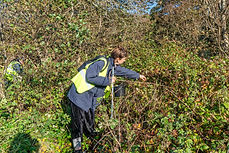

In the autumn, dedicated teams of TfL volunteers collect the necessary seeds for this planting across the Scottish Highlands & Western Isles.
Gathering seeds locally means the species’ area-specific genetics will persist. This makes the plants resilient to disease and will give them the best chance of withstanding the effects of climate change.
Photos © Laura Corbe
Growing & Planting
Mighty oaks from tiny acorns...etc
These precious seeds are then taken to Dundreggan Nursery near Inverness, where they are stratified ie. carefully exposed to cold, moist conditions that mimic a Scottish winter. This process breaks their natural dormancy, triggering germination when spring arrives.

Photo © Trees for Life
Planting opportunities across the Highlands
Once healthy established young plants, they are then ready for planting at locations across the Highlands.
Planting weeks are available at this project direct with Trees For Life. Click here for details. 😊
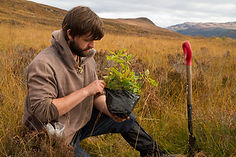
Photo © Trees for Life